Banner for product blog pages
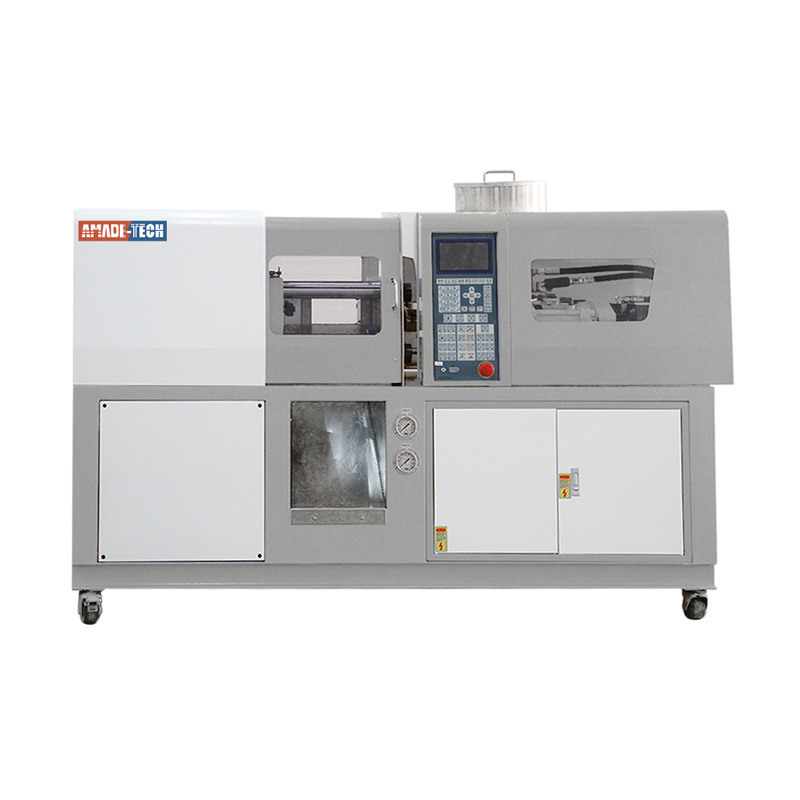
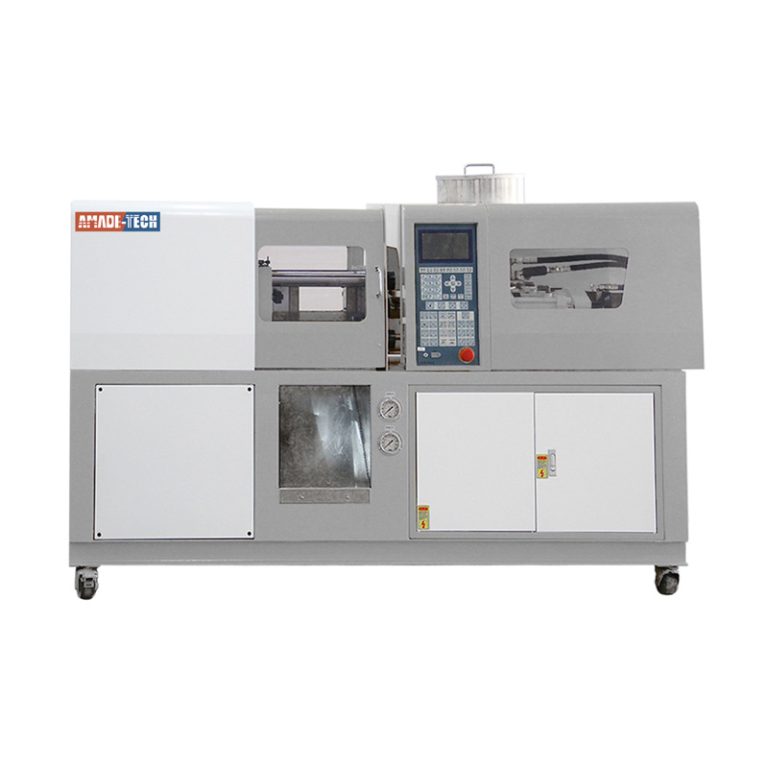
Laboratory injection molding machine

Laboratory Injection Molding Machine

Model

AT-P6160 series

Applications

It is used to prepare laboratory-grade plastic specimens in dumbbell, strip, round, or other shapes that conform to ISO and ASTM standards.

Laboratory Injection Molding Machine Overview

A laboratory injection molding machine is used to melt plastic granules, inject them into a mold, and then cool and mold them into a plastic part of a specific shape. Its core function is to prepare plastic test specimens. By using different molds, it can injection mold test strips conforming to standards such as ISO, ASTM, and GB, used to test the mechanical and thermal properties of materials. Researchers can also use it to test small quantities of expensive new materials or formulations to verify their ease of processing and the performance of the finished product.

Injection Molding Machine Operating Principle

Plastic particles are fed into the extruder inlet of the injection molding machine. Under the influence of heating and the powerful shearing force generated by the screw rotation, the material is melted and plasticized. The plasticized melt is conveyed to the front end of the screw, a process that simultaneously ensures precise metering of the material needed for the next injection. The screw propels forward linearly like a piston, injecting the melt from the storage zone into the mold cavity at a set speed (or pressure). Once the cavity is filled, the screw maintains pressure, replenishing the material lost due to cooling shrinkage to prevent shrinkage marks in the product. The product cools and solidifies in the mold. After the product cools and hardens, the mold automatically opens, and the ejector mechanism ejects the product, completing one production cycle.

Detailed Description of Equipment

Our laboratory injection molding machines come standard with a 22mm diameter screw. This screw can handle most materials. For special materials such as PET, we will configure a dedicated screw for the machine. As it rotates, the material is gradually melted and plasticized under the friction and shearing forces of the screw channels, pushing the molten material to the head of the screw for storage and injection. Under the piston thrust of the injection cylinder, the screw injects the molten material in the storage chamber into the mold cavity through the nozzle at high speed and high pressure. The standard machine has a single injection volume of 40g and a clamping force of 20 tons. 

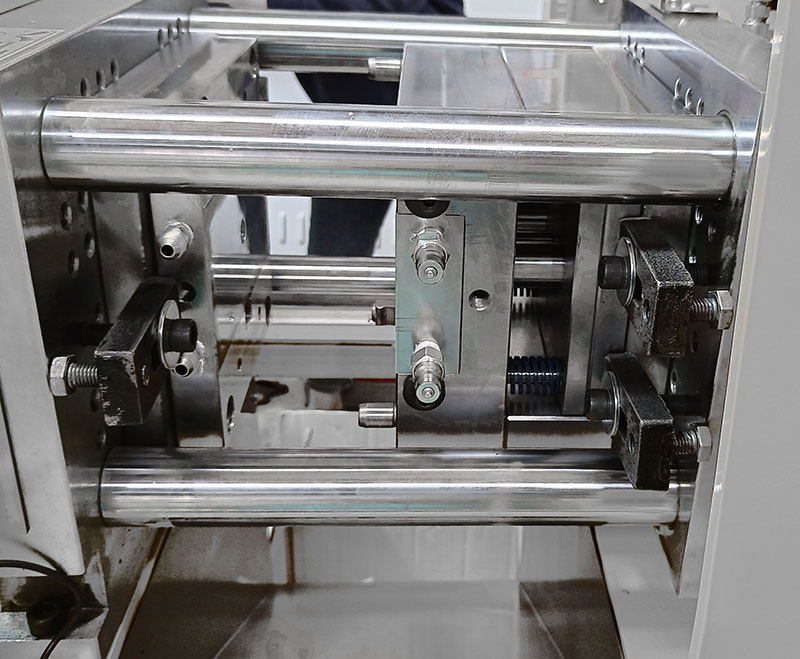
mold of lab injection molding machine

Blown bubble

We can configure different molds for the machine according to the different shapes and sizes of the test samples. If a machine needs to produce many different types of samples, we will configure a master mold and a slave mold. A mold consists of a master mold and multiple slave molds. The master mold is fixed in the mold area of the machine, and slave molds with different cavity shapes and sizes can be installed on the master mold as needed to achieve injection molding of various different samples. Slave molds can be quickly changed, which is not only convenient to use but also saves on the overall mold cost.

Lab Injection Molding Machine - Technical Specifications


Model

Unit

AT-P6160-20

Injection unit

Screw diameter

mm

22

Injection pressure

kg/cm2

2170

Injection volume

G/OZ

40/1.4

Screw stroke

mm

110

Nozzle stroke

mm

150

Mold clamping unit

Clamping Force

Tons

20

Platen size

mm

380*290

Tie-bars spacing

mm

250*200

Min mold thickness

mm

100/40

Mold opening stroke

mm

215

Max mold opening distance

mm

255/315

Power unit

Max hydraulic pressure

kg/cm2

140

Motor power

KW

4(5HP)

Total power consumption

KW

6

Others

Machine weight

kg

1000

Machine dimensions

kg

2020×600×1400mm

Lab Injection Molding Machine Video

Lab Injection Molding Machine Features

  • The injection molding area features a horizontal layout for easy operation.
  • The processing area is physically isolated from the outside environment to ensure safety.
  • Static temperature control accuracy reaches 1 degree Celsius.
  • The system uses a 32-bit CPU design, offering fast processing speed, precise control, and high stability.
  • It features a high-brightness LCD display screen.
  • It has a production statistics function, automatically recording the daily and hourly output for the past 15 days.
  • It can store hundreds of mold data.
  • It supports displaying multiple curves: injection curve, speed curve, temperature curve, servo real-time curve, and historical curve.
  • It is compatible with and customizable for various ISO & ASTM molds.
  • It supports Quick Changing Mold.
  • Molds can be cooled by water circulation.
  • Operation is simple and maintenance is easy.
Products Categories
Get A Free Quote
Contact Form Demo (#3)

Get Free Quote of Lab Injection Molding Machine that Best Meets Your Needs

Tell us about your unique testing requirements to get a personalized solution from AmadeTech

Related Products

Laboratory injection molding machine
Laboratory Cast Film Line
lab calender
EN 13900-5 Filter Pressure Value (FPV) Tester
Lab Twin Screw Strand Pelletizing System
Lab Monolayer Blown Film Extruder
Rotary Drum rubber abrasion tester
Parallel Plate Plastimeter
Hands-free Lab Two-Roll Mill with Automatic Scraper
Rubber & Plastic Tensile Testing Machine

Related Posts

blog cover
blog-cover-1
error: Content is protected !!
Scroll to Top

Get A Free Quote Now !

Contact Form Demo (#3)
If you have any questions, please do not hesitate to contatct with us.